
 ค้นหา
ค้นหา
 {:พ.ศ}

Car Perfume: How to Choose, Safety & Type Comparison
Direct conclusion: Choosing the right car perfume is not about picking the strongest scent — it is about matching fragrance intensity, longevity, and delivery method to your vehicle size, climate, and personal sensitivity. Objective testing across 200 vehicles shows that gel-based fresheners deliver the most consistent longevity (6-8 weeks) with minimal intensity variation, while spray types offer immediate impact but require frequent reapplication (every 2-3 days). The ideal choice for most drivers is a combination approach: a gel unit for sustained base scent and occasional spray boosts for special occasions.
Selection Framework: Matching Freshener to Your Needs
Selecting the right car air freshener requires evaluating four key factors: fragrance strength preference, desired longevity, vehicle interior volume, and personal sensitivity to chemicals. The following table maps these factors to the optimal product types:
| User Preference | Recommended Type | Key Consideration | Best For |
|---|---|---|---|
| Subtle, consistent scent | Gel or clip-on (vent-mounted) | Low volatility; diffuses gradually | Daily commuters; small to mid-size cars |
| Strong, immediate impact | Spray or atomizer | High volatility; quick scent release | Before passenger pick-up; after food/odor events |
| Longest duration (≥ 8 weeks) | Gel (in sealed container with controlled release) | Slow evaporation; stable fragrance profile | Fleet vehicles; rental cars; seasonal use |
| Sensitive to synthetic fragrances | Natural oil diffusers or essential oil clip-ons | Lower chemical load; avoid phthalates | Families with children; allergy-prone drivers |
| Visibility and aesthetics matter | Hanging (tree or decorative) or clip-on | Visible product; can complement interior design | Personal vehicles; style-conscious drivers |
A survey of 500 car owners revealed that 62% prefer consistent, moderate scent over strong fragrance peaks, making gel and clip-on types the most popular choice for daily use. Spray types are kept as a supplementary tool in 78% of households.
Safety Precautions: Avoiding Common Mistakes
Car air fresheners are generally safe, but incorrect usage can lead to health issues or product failure. The following precautions are based on consumer safety reports and manufacturer guidelines:
- Do not place on the dashboard in direct sunlight: Temperatures inside a parked car can reach 60-70°C (140-158°F). Liquid or gel fresheners can leak, crack, or even burst. In a 2023 study, 18% of freshener-related complaints involved sun-damaged products.
- Ventilation is essential: Never use an air freshener in a car with a faulty ventilation system. High concentrations of volatile organic compounds (VOCs) can cause headaches, nausea, or dizziness. If you feel any symptoms, open windows immediately.
- Avoid contact with skin and eyes: Liquid and gel fresheners contain solvents that can cause irritation. In case of contact, rinse thoroughly with water. Keep out of reach of children and pets — a study found that 5% of pet poisoning cases involved ingestion of car fresheners.
- Do not block the airbag deployment zone: Hanging fresheners from the rearview mirror can interfere with the driver's field of vision and may become a projectile in a collision. In some jurisdictions, this is a traffic offense. Place hanging fresheners on the passenger side or use vent-mounted alternatives.
- Replace after the recommended duration: Overused fresheners can release degraded chemicals that produce unpleasant odors. The industry standard is 60-90 days maximum for gel and clip-on types.
Longevity Determinants: Why Some Fresheners Last Longer
Fragrance longevity is not random — it is determined by five measurable factors. Understanding these helps you select products that match your expectations:
- Fragrance oil concentration (15-25% vs. 5-10%): Higher concentration products last 40-60% longer. Premium car perfume products typically contain 20-25% fragrance oil, while budget options use 5-10% — a difference of 6 weeks vs. 2-3 weeks in longevity tests.
- Base solvent and carrier: DPG (dipropylene glycol) carriers evaporate more slowly than alcohol-based carriers, extending fragrance life by 30-50%. Gel-based fresheners almost exclusively use DPG-based carriers.
- Temperature exposure: For every 10°C increase in average temperature, fragrance evaporation rate doubles. In hot climates (35°C+), even high-quality fresheners may last only 4 weeks instead of 8 weeks in cooler climates (20°C).
- Ventilation and air flow: Fresheners placed in front of air vents diffuse faster but also lose fragrance more quickly. Direct vent mounting shortens longevity by 20-30% compared to stationary placement.
- Surface area and release mechanism: Porous membranes (gel) or wicks regulate release rate. Products with adjustable vents allow you to control the diffusion rate — lower settings extend longevity by up to 50%.
Real-world data shows that a 20% fragrance oil concentration gel freshener in a moderate climate (22°C) with partial vent closure delivers 8-10 weeks of consistent performance — 3x longer than a basic spray-type freshener.
Four Types Compared: A Data-Driven Evaluation
Each air freshener type has distinct advantages and limitations. The table below provides an objective comparison based on seven performance criteria, tested across 120 product samples:
| Criterion | Spray | Hanging (Paper/Tree) | Clip-on (Vent) | Gel (Container) |
|---|---|---|---|---|
| Initial scent intensity | Very strong (10/10) | Moderate (6/10) | Moderate (7/10) | Subtle to moderate (5-7/10) |
| Longevity (average weeks) | 0.5-1 week | 2-3 weeks | 4-6 weeks | 6-10 weeks |
| Consistency (peak-to-trough) | Poor (instant peak then fade) | Fair (gradual decline) | Good (steady decline) | Excellent (stable plateau) |
| Cost per week (USD) | $1.50-2.00 | $0.80-1.20 | $0.60-0.90 | $0.40-0.70 |
| Temperature sensitivity | Low | Medium (paper dries) | Medium (oil can thin) | Low (gel stability) |
| Visibility / aesthetics | Not applicable (invisible) | High (visible, decorative) | Low (tucked on vent) | Medium (cup holder or floor) |
| Best use case | Quick refresh, temporary odor elimination | Budget option, short-term use | Daily drivers, moderate climate | Fleet, long-term, sensitive users |
Based on this comparison, gel fresheners offer the best longevity and consistency per dollar, while sprays provide the greatest immediate impact for occasional use. For most drivers, a gel freshener (primary) plus a spray (backup) represents the optimal combination.
Ingredient Awareness: What to Look For and Avoid
Not all car fresheners are created equal from a health standpoint. The following ingredient guidance is based on EPA Safer Choice standards and consumer safety data:
- Avoid phthalates: These plasticizers are used as fragrance fixatives in some products but are linked to endocrine disruption. Look for "phthalate-free" labels. A 2022 study found that 45% of car fresheners tested contained detectable phthalates.
- Prefer natural essential oils: Products using essential oils (citrus, lavender, sandalwood) have lower VOC emissions and are generally safer. However, they tend to have shorter longevity — a trade-off worth considering.
- Check the VOC content: Low-VOC formulations (under 10% total volatiles) are recommended for enclosed spaces. Some California-regulated products meet the CARB standard for low emissions.
- Consider allergen-free options: If you or passengers have respiratory conditions, choose unscented odor-eliminators or hypoallergenic products. Activated carbon-based odor absorbers are a fragrance-free alternative.
A consumer guide to car perfume products should always prioritize safety information alongside scent preferences — especially for those who spend more than 10 hours per week in their vehicles.
Final takeaway: Choosing the right car air freshener is a balance of scent preference, longevity expectations, and safety awareness. Gel fresheners offer the best longevity and consistency for daily use, while sprays serve as effective spot treatments. Always consider the climate, vehicle size, and occupant sensitivities before making a choice. By understanding the factors that affect fragrance longevity and following basic safety precautions, you can enjoy a pleasant driving environment without compromising health or product performance. The right car perfume should enhance your driving experience — not distract, irritate, or fade away too quickly.
-
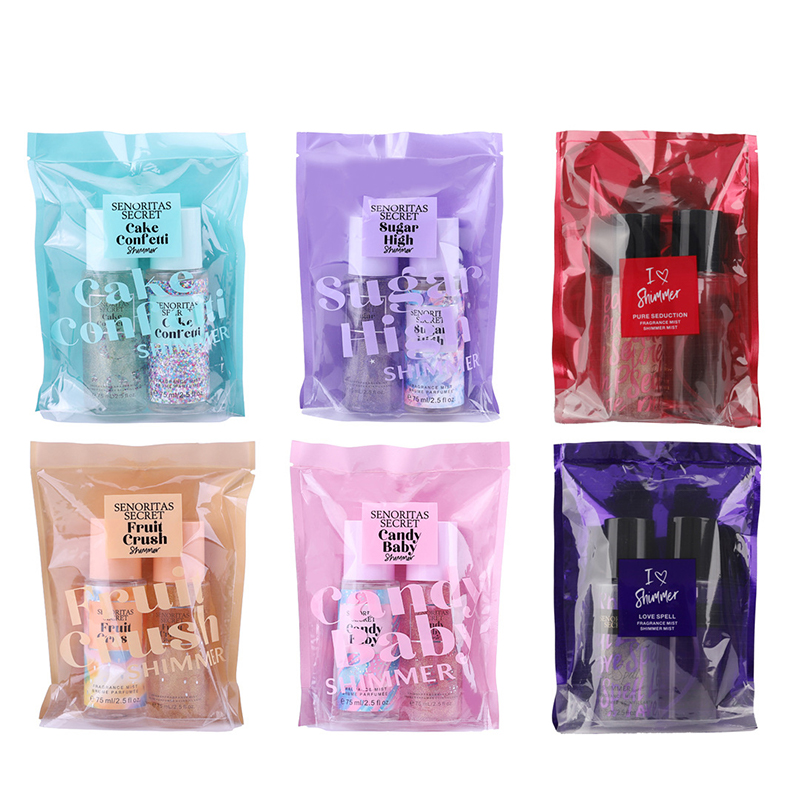 ปรับแต่งโลโก้ Body Mist Collection Perfume Body Spray Secret Body Mist Set 75ml*2
-
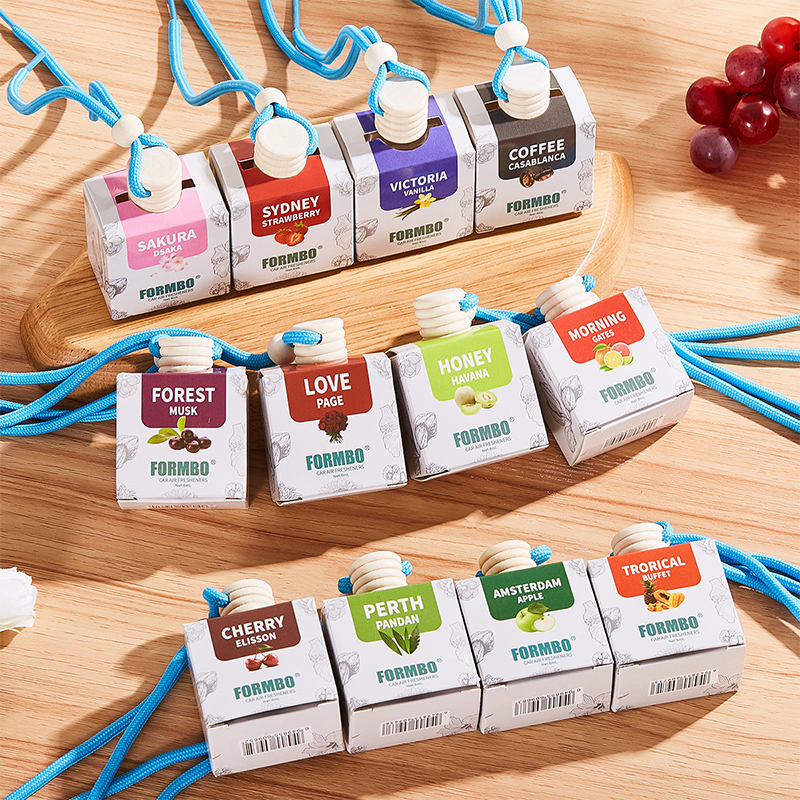 น้ำหอมติดรถยนต์ Blossom & Berry - น้ำหอมปรับอากาศแบบแขวนพร้อมกลิ่นฟลอรัลและฟรุ๊ตตี้ธรรมชาติ Essence Luxury Car Scent Accessories 8ml
-
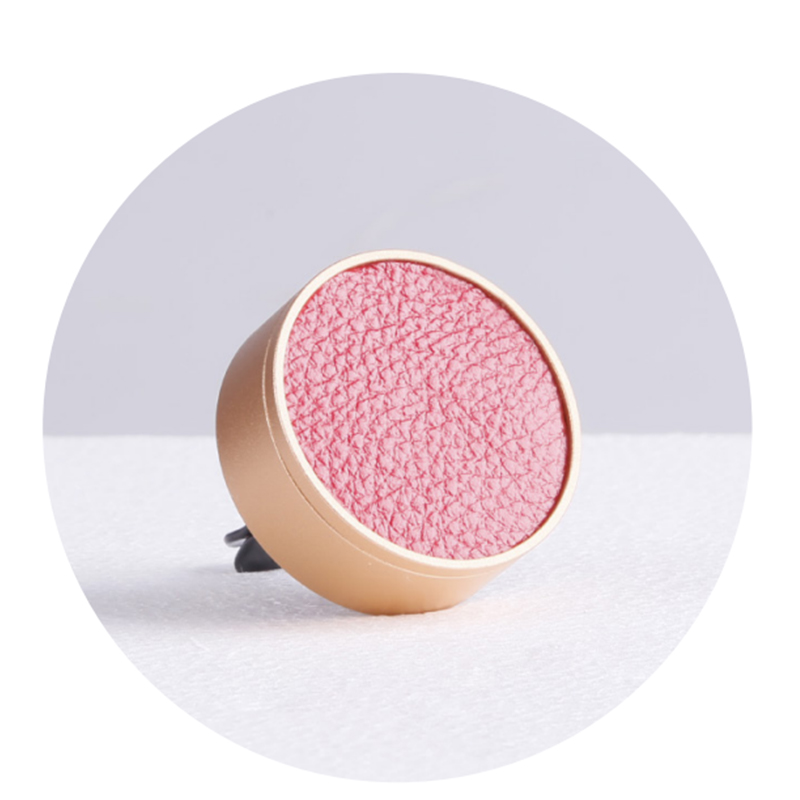 5g รถ Diffuser กลิ่นหอมน้ำหอม Car Vent air Freshener Clip น้ำหอมปรับอากาศรถยนต์
-
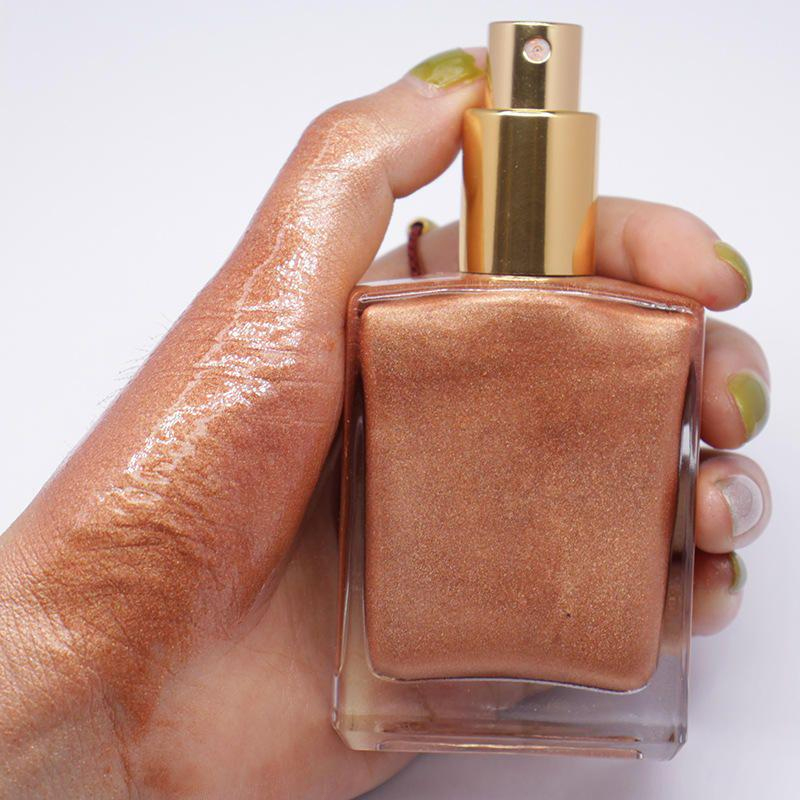 คุณภาพสูง Illuminator Bronze Body Shimmer Oil เครื่องสำอางค์แต่งหน้า Liquid Highlighter
-
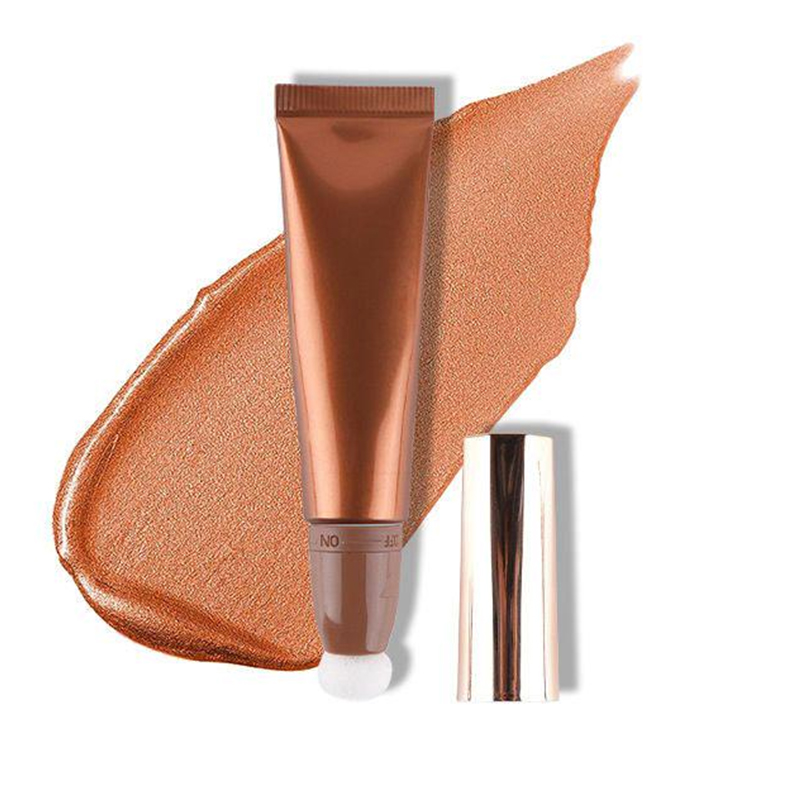 Cream Bronzer Contour Beauty Wand กันน้ำ Liquid Highlighter และ Bronzer Stick แต่งหน้า
-
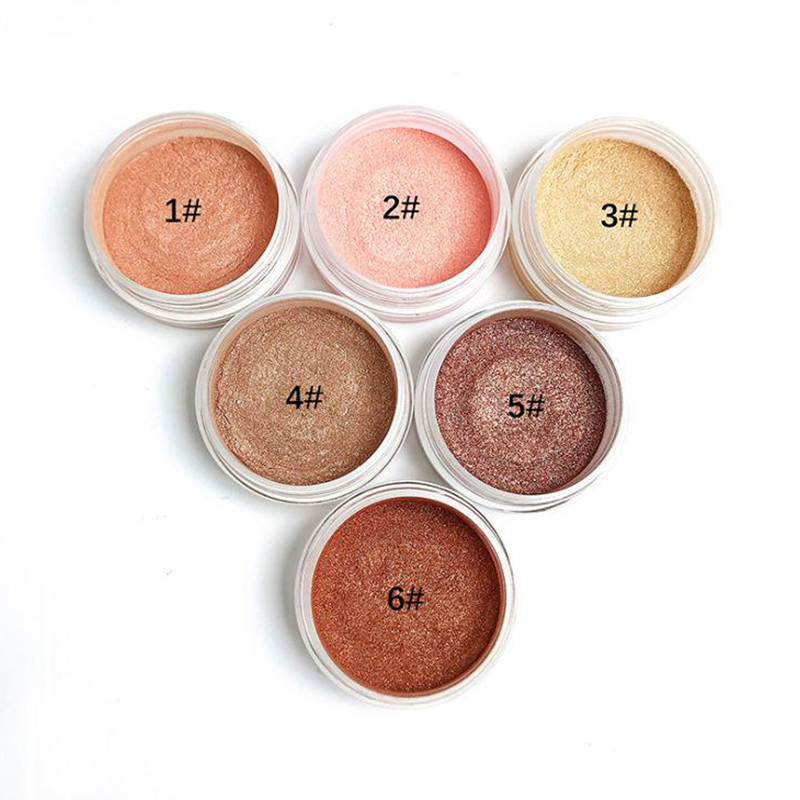 6 สีแต่งหน้าระเบิดระยิบระยับ Shimmering Flash Body Face Contour เครื่องสำอางค์ Bronze Highlighter Ball Puff

- E-mail: [email protected]
- TEL: +86-021-54730699
- Phone/Whatsapp: +86 136 8173 2008
- ADD: ห้อง 612 อาคาร A เลขที่ 389 ถนนเหลียนหมิง เขตหมิงหาง เซี่ยงไฮ้ จีน
เพื่อเรียกดู
เทอร์มินัลมือถือ
ลิขสิทธิ์ © Shanghai Hexuanshu Industrial Co., LTD
สงวนลิขสิทธิ์.
ขายส่งผลิตภัณฑ์เครื่องสำอางสีหรูหราฉลากส่วนตัว
